


levi90s7161861
About levi90s7161861
Investing In Gold: A Complete Guide
Investing in gold has long been considered a protected haven for traders, notably during occasions of economic uncertainty. This report delves into the varied elements of investing in gold, together with its historic significance, forms of gold investments, benefits and dangers, and strategies for incorporating gold into an investment portfolio.
Historical Significance of Gold
Gold has been valued for thousands of years, serving as a medium of trade, a retailer of value, and an emblem of wealth. Historic civilizations used gold coins, and it has maintained its allure throughout history. The gold customary, which tied currency values to gold, was a distinguished feature of the global economic system until the 20th century. At the moment, gold remains to be seen as a reliable asset that can protect towards inflation and forex fluctuations.
Varieties of Gold Investments
Investors can choose from several ways to invest in gold, each with its own characteristics, benefits, and drawbacks:
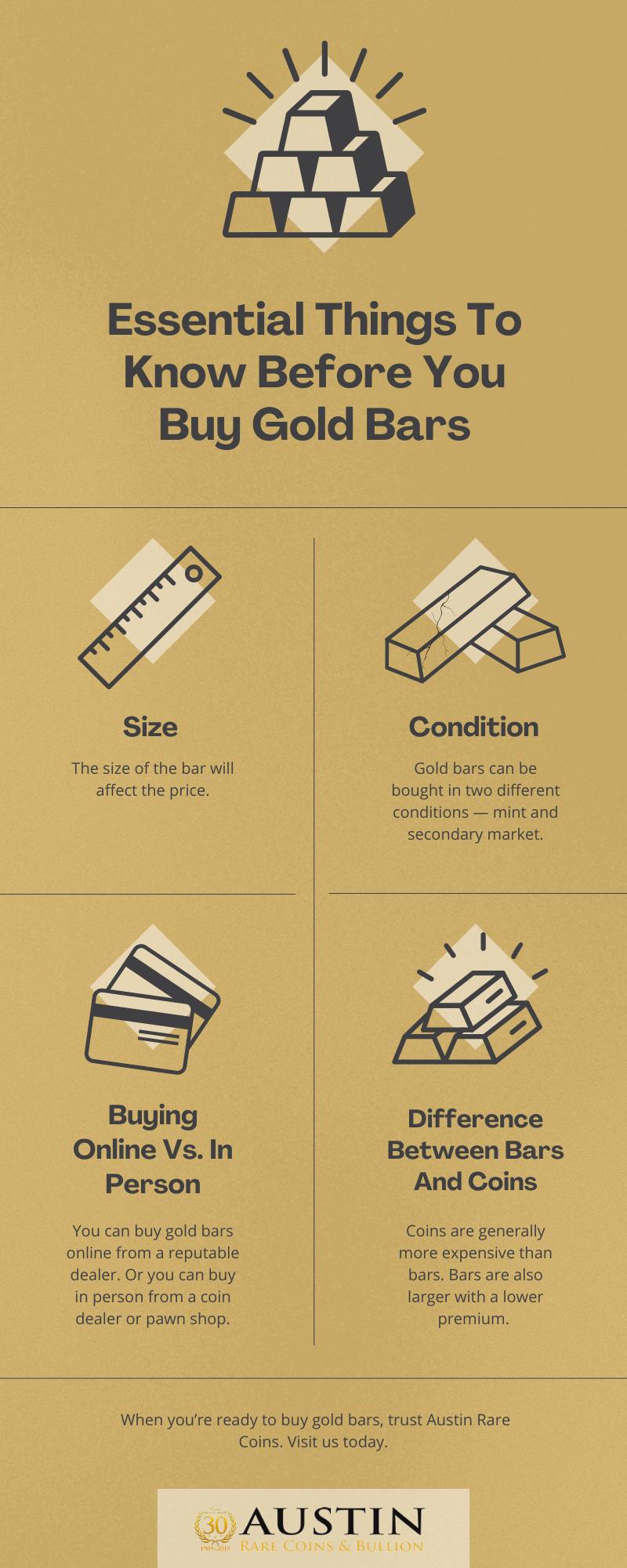
- Physical Gold: This contains gold coins, bars, and jewellery. Bodily gold is tangible and can be saved at dwelling or in a secure deposit field. However, it requires secure storage and insurance, and selling bodily gold can contain extra costs and complexities.
- Gold ETFs (Change-Traded Funds): Gold ETFs are funding funds that commerce on stock exchanges and purpose to trace the price of gold. They provide a convenient method to invest in gold without the necessity to retailer it physically. Investors can purchase and promote shares of gold ETFs like stocks, making them a popular selection for these in search of liquidity.
- Gold Mining Stocks: Investing in companies that mine gold can provide exposure to gold prices whereas additionally offering the potential for dividends and capital appreciation. However, mining stocks may be affected by components beyond gold prices, such as operational costs and administration effectiveness.
- Gold Futures and Options: These are contracts that enable buyers to buy or promote gold at a predetermined price in the future. While they will provide significant profit potential, additionally they carry high risk and require a deep understanding of the commodities market.
- Gold Certificates: These characterize ownership of gold without the necessity for bodily possession. They’re issued by banks and can be traded like stocks. Nonetheless, they rely upon the issuing bank’s credibility and may not present the same security as physical gold.
Benefits of Investing in Gold
Investing in gold presents a number of benefits:
- Inflation Hedge: Gold is often seen as a hedge in opposition to inflation. When the buying power of currency declines, gold prices are inclined to rise, preserving wealth.
- Portfolio Diversification: Gold has a low correlation with other asset classes like stocks and bonds. In case you liked this short article in addition to you would want to obtain more info relating to buynetgold generously pay a visit to our own page. Together with gold in a portfolio can cut back total threat and enhance returns.
- Disaster Protection: Throughout geopolitical tensions or financial crises, gold usually retains its value or appreciates, making it a secure haven for traders.
- Liquidity: Gold is a extremely liquid asset, particularly within the type of ETFs and futures, permitting investors to quickly convert their holdings into cash.
- World Demand: Gold has a constant demand across varied sectors, together with jewelry, technology, and investment, offering a stable marketplace for traders.
Risks of Investing in Gold
Whereas gold is usually a beneficial addition to an investment portfolio, it’s not without dangers:
- Worth Volatility: Gold prices could be risky, influenced by factors reminiscent of interest rates, forex values, and changes in provide and demand. This volatility can lead to significant quick-term losses.
- No Cash Stream: Not like stocks and bonds, gold does not generate revenue or dividends. Buyers rely solely on price appreciation for returns.
- Storage and Insurance Prices: Physical gold requires secure storage and insurance coverage, which can eat into profits. Additionally, selling bodily gold might involve transaction charges and market markups.
- Market Manipulation: The gold market may be subject to manipulation, notably in futures buying and selling, which may have an effect on costs and investor confidence.
- Regulatory Dangers: Modifications in regulations concerning gold possession, taxation, or trading can impact the market and investors’ returns.
Methods for Investing in Gold
When considering gold as an investment, it is crucial to develop a strategy that aligns with individual monetary targets and danger tolerance:
- Long-Term Holding: Many buyers select to purchase and hold gold for the long term, viewing it as a retailer of worth. This strategy will help trip out short-time period price fluctuations.
- Dollar-Cost Averaging: This involves recurrently investing a set amount in gold, regardless of its worth. This strategy can scale back the impact of volatility and lower the typical price of investment over time.
- Portfolio Allocation: Monetary consultants usually suggest allocating a small proportion of a portfolio to gold (typically 5-10%) to reinforce diversification without overexposing to the dangers related to gold.
- Keep Knowledgeable: Keeping abreast of worldwide financial trends, interest charges, and geopolitical events will help traders make knowledgeable selections about when to buy or sell gold.
- Combine with Different Belongings: To maximize the benefits of gold, consider combining it with other asset classes, reminiscent of stocks and bonds, to create a balanced funding portfolio.
Conclusion
Investing in gold is usually a valuable strategy for people seeking to diversify their portfolios and protect in opposition to economic uncertainty. With varied funding options out there, from bodily gold to ETFs and mining stocks, investors have the flexibility to decide on the strategy that most accurately fits their needs. Nevertheless, it is essential to know the associated risks and develop a thoughtful investment strategy. By staying knowledgeable and contemplating gold’s historic significance, benefits, and risks, traders can make educated selections that align with their financial goals.
In abstract, gold stays a timeless investment that may provide stability and security in an ever-altering economic landscape. Whether or not as a hedge in opposition to inflation or a means of portfolio diversification, gold can play a big function in reaching lengthy-time period monetary targets.
No listing found.